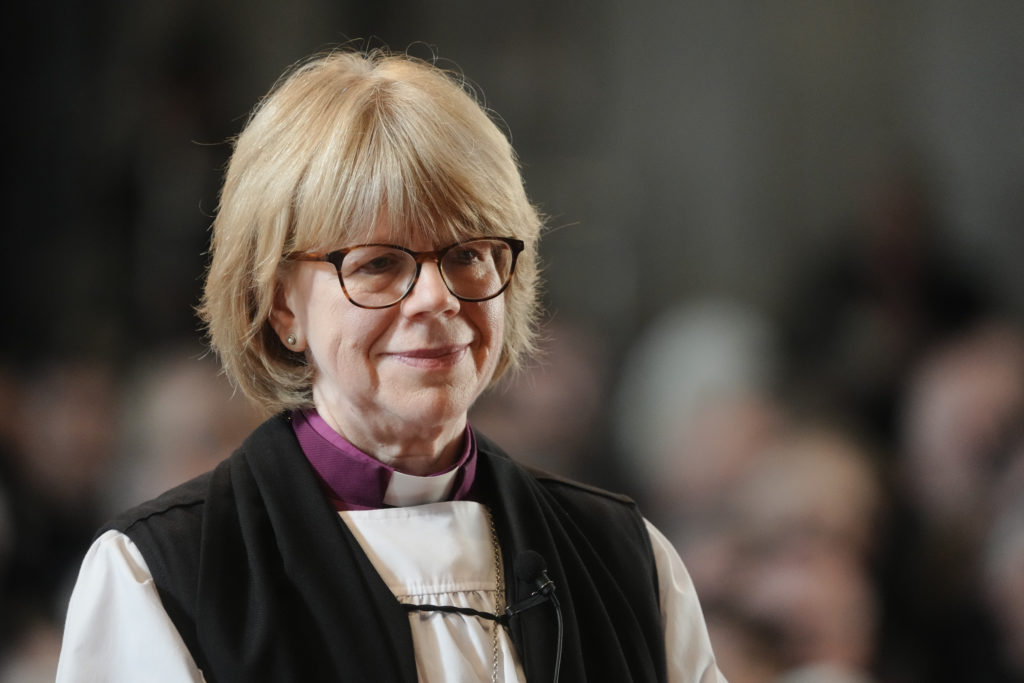
A New Dawn: Sarah Mullally Becomes the First Woman to Lead the Global Anglican Communion
March 25, 2026, marked an indelible moment in religious history, as Sarah Mullally was formally installed as the 106th Archbishop of Canterbury. This isn't just a numerical milestone; it's a profound declaration of change, signaling the first time in over 1,400 years that a woman has stepped into this globally significant role. The enthronement at Canterbury Cathedral, on the auspicious Feast of the Annunciation, was more than just a ceremony; it was an
Archbishop of Canterbury service that reverberated with historical significance, future aspirations, and deep spiritual meaning for millions worldwide. This article delves into the monumental implications of Mullally’s appointment, the role of the Archbishop, and what her leadership means for the evolving landscape of faith.
The Historic Enthronement: An Archbishop of Canterbury Service Redefined
The air within the ancient walls of Canterbury Cathedral was thick with anticipation and reverence on installation day. Congregations gathered from across the globe, united in witnessing a moment that many had long prayed for. The ceremony, a meticulously choreographed blend of ancient tradition and contemporary symbolism, formally recognized Sarah Mullally's elevation to this esteemed position. Her election had been confirmed earlier, on January 28, 2026, at St. Paul’s Cathedral in London, cementing her place as the 106th individual – and truly the first woman – to hold the office.
The installation, often referred to as an enthronement, is a powerful ritual that physically places the new Archbishop in the historic Cathedra (throne) of St. Augustine. This
Archbishop of Canterbury service is steeped in centuries of custom, yet Mullally's presence infused it with a fresh, contemporary resonance. It wasn't merely a change of personnel; it was a visible manifestation of the Anglican Communion's ongoing journey towards greater inclusivity and recognition of women's leadership within its highest echelons. For many, it was a moment of profound joy and affirmation, underscoring a commitment to evolving with the times while respecting foundational faith. The prayers offered for Archbishop Sarah, her husband Eamonn, and their family during this transitional period highlighted the personal sacrifice and dedication required for such a demanding ministry. To learn more about this pivotal event, read
Sarah Mullally's Installation: A Historic First for the Anglican Church.
The Role of the Archbishop: Spiritual Leadership and Global Unity
The Archbishop of Canterbury holds a unique and multifaceted position within the global Christian landscape. Far from being merely a figurehead, this individual serves as the spiritual leader and symbolic senior bishop – often described as "first among equals" – within the worldwide Anglican Communion. This vast family of Anglican churches spans over 165 countries, encompassing tens of millions of adherents, making the Archbishop's influence truly global.
The responsibilities extend beyond the spiritual. The office provides crucial moral leadership, acting as a conscience for the Communion and, at times, for the wider world on matters of justice, peace, and human dignity. A primary objective is the promotion of unity across the diverse provinces of the Anglican Communion, often navigating complex theological and social differences. One of the most significant duties involves convening and presiding over major gatherings of Anglican bishops, most notably the decennial Lambeth Conference. This assembly brings together bishops from around the world to discuss issues facing the Church and society, shaping the direction and fellowship of the Communion for the coming decade.
*
Moral Compass: The Archbishop often speaks out on global issues, advocating for the marginalized and promoting ethical conduct.
*
Unifying Force: Works tirelessly to maintain cohesion and dialogue among the various autonomous provinces of the Anglican Communion.
*
Ecumenical Ambassador: Engages with leaders of other Christian denominations and world religions, fostering understanding and collaboration.
*
Pastoral Shepherd: Provides spiritual guidance and support to clergy and laity within the Church of England and beyond.
*
Cultural Bridge: Represents the Church in national life, participating in significant civic and royal events.
Archbishop Mullally's leadership will be vital in continuing these traditions while also charting new paths for the Church in a rapidly changing world.
Sarah Mullally's Journey: A Path of Breaking Barriers
Sarah Mullally's appointment is not an overnight phenomenon but the culmination of a distinguished career marked by service, leadership, and a pioneering spirit. Before entering ordained ministry, she had a notable career in nursing, eventually becoming the Chief Nursing Officer for England. This background in healthcare leadership, with its emphasis on care, compassion, and systemic change, brings a unique perspective to her ecclesiastical role.
Her journey through the Church of England has also been one of "firsts." She was among the first group of women to be ordained as priests in the Church of England in 1994. Later, in 2015, she became the first woman to be consecrated a bishop in the Diocese of London, serving as Bishop of Crediton. Her ascent through these ranks, consistently breaking through glass ceilings, demonstrates not only her personal capabilities but also the gradual, yet accelerating, acceptance of women in leadership within the Anglican Church. Her experience straddles the worlds of public service and spiritual leadership, offering a blend of practical management and profound theological insight. This unique combination positions her to offer robust and empathetic leadership to a global communion grappling with its own internal challenges and external pressures. For a deeper understanding of her global impact, consider reading
Enthronement of Sarah Mullally: 106th Archbishop's Global Leadership.
The Future of the Anglican Communion Under Mullally's Leadership
The installation of Sarah Mullally as Archbishop of Canterbury signifies a pivotal moment for the future trajectory of the Anglican Communion. Her leadership comes at a time when the Communion faces numerous challenges, including:
*
Internal Divisions: Disagreements over issues such as same-sex marriage and the ordination of LGBTQ+ clergy continue to strain relationships between conservative and liberal provinces.
*
Secularization: Many Western provinces grapple with declining attendance and relevance in increasingly secular societies.
*
Global Justice: The Church is called to respond to pressing global issues like climate change, poverty, conflict, and migration.
*
Evangelism and Outreach: The ongoing mission to share the Christian faith in diverse cultural contexts remains a core task.
Archbishop Mullally's background as a nurse and a public servant, combined with her deep spiritual grounding, equips her with particular strengths to address these complex issues. Her experience in fostering collaboration across diverse groups, making difficult ethical decisions, and providing compassionate care will be invaluable. Many hope that her appointment will not only inspire women and girls within the Church but also provide a renewed impetus for dialogue, understanding, and reconciliation across the Communion's sometimes fractured landscape. Her leadership offers a fresh voice and a new perspective on how to lead a global faith community in the 21st century, balancing tradition with a forward-looking vision for an inclusive and relevant Church.
Conclusion: A Legacy Forged in Service
The installation of Sarah Mullally as the 106th Archbishop of Canterbury was far more than a ceremonial event; it was a deeply symbolic
Archbishop of Canterbury service that opened a new chapter in the 1,400-year history of the office. As the first woman to hold this sacred position, she carries the hopes and expectations of many, not just within the Anglican Communion but across the wider world. Her journey is a testament to perseverance, faith, and the ongoing push for equality within religious institutions. Her role as spiritual leader, unifier, and moral guide will be critical in navigating the complexities of a diverse global Church. As she embarks on this momentous ministry, her leadership promises to be one forged in service, compassion, and a resolute commitment to embodying the Christian message in a dynamic and often challenging world.